Deep, dramatic color for the early spring garden.
Carmel Bordeaux produces rich wine-colored blooms with striking dark centers. The deep color is especially beautiful among the softer shades of the spring garden and makes an elegant cut flower, whether displayed on its own or paired with blush, pink and white blooms.
Anemones are wonderfully productive plants, often producing 10–20 flowers from each corm. The earliest flowers often have shorter stems—perfect for a bud vase. As the plants mature and the season progresses, stems grow longer, eventually reaching 15–24 inches and becoming ideal for bouquets.
They also don't require much room, making anemones an excellent choice for smaller cutting gardens and containers.
Growing Anemones
Planting time: October–December here in the South Carolina Midlands. In other areas, planting time will vary with your climate; gardeners in colder regions generally plant in early spring.
Soak: Soak corms for 4 hours in room-temperature water before planting.
Plant: Plant corms 2–3 inches deep and 4–6 inches apart in full sun.
Soil: Choose a location with well-drained soil. Anemones don't like to sit in wet soil, so good drainage is especially important.
Water: Water after planting and keep the soil lightly moist, but not wet. Avoid overwatering, particularly while the corms are getting established.
Protect: Protect plants when temperatures fall below freezing. Use frost cloth or another covering supported above the plants to keep it from touching the foliage during freezing weather.
Bloom season: Early spring. Regular cutting encourages the plants to continue producing flowers.
You can find additional information on our blog post about growing ranunculus and anemone, here.
Deep, dramatic color for the early spring garden.
Carmel Bordeaux produces rich wine-colored blooms with striking dark centers. The deep color is especially beautiful among the softer shades of the spring garden and makes an elegant cut flower, whether displayed on its own or paired with blush, pink and white blooms.
Anemones are wonderfully productive plants, often producing 10–20 flowers from each corm. The earliest flowers often have shorter stems—perfect for a bud vase. As the plants mature and the season progresses, stems grow longer, eventually reaching 15–24 inches and becoming ideal for bouquets.
They also don't require much room, making anemones an excellent choice for smaller cutting gardens and containers.
Growing Anemones
Planting time: October–December here in the South Carolina Midlands. In other areas, planting time will vary with your climate; gardeners in colder regions generally plant in early spring.
Soak: Soak corms for 4 hours in room-temperature water before planting.
Plant: Plant corms 2–3 inches deep and 4–6 inches apart in full sun.
Soil: Choose a location with well-drained soil. Anemones don't like to sit in wet soil, so good drainage is especially important.
Water: Water after planting and keep the soil lightly moist, but not wet. Avoid overwatering, particularly while the corms are getting established.
Protect: Protect plants when temperatures fall below freezing. Use frost cloth or another covering supported above the plants to keep it from touching the foliage during freezing weather.
Bloom season: Early spring. Regular cutting encourages the plants to continue producing flowers.
You can find additional information on our blog post about growing ranunculus and anemone, here.

 Image 1 of 4
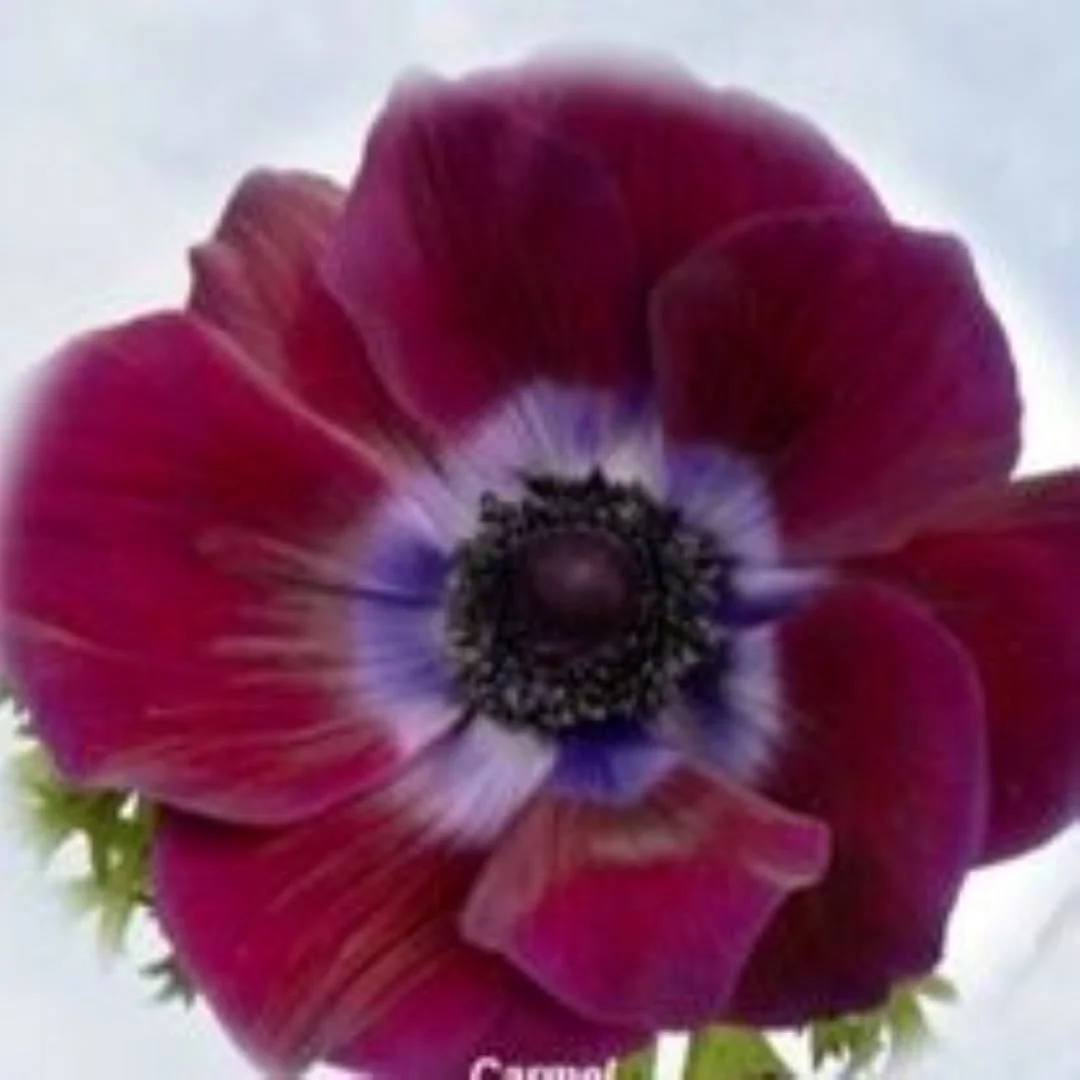 Image 2 of 4
 Image 3 of 4
 Image 4 of 4