From Mums to Magic Bulbs: November at the Farm
The mums are still putting on a beautiful show here at the farm, and we’re savoring every last bloom. Each variety seems to shine in its own moment—soft apricots, rich bronzes, and warm pinks lighting up the beds. If you made it out to our open house this past weekend, thank you! It was such a joy to share this season’s blooms with you in person.
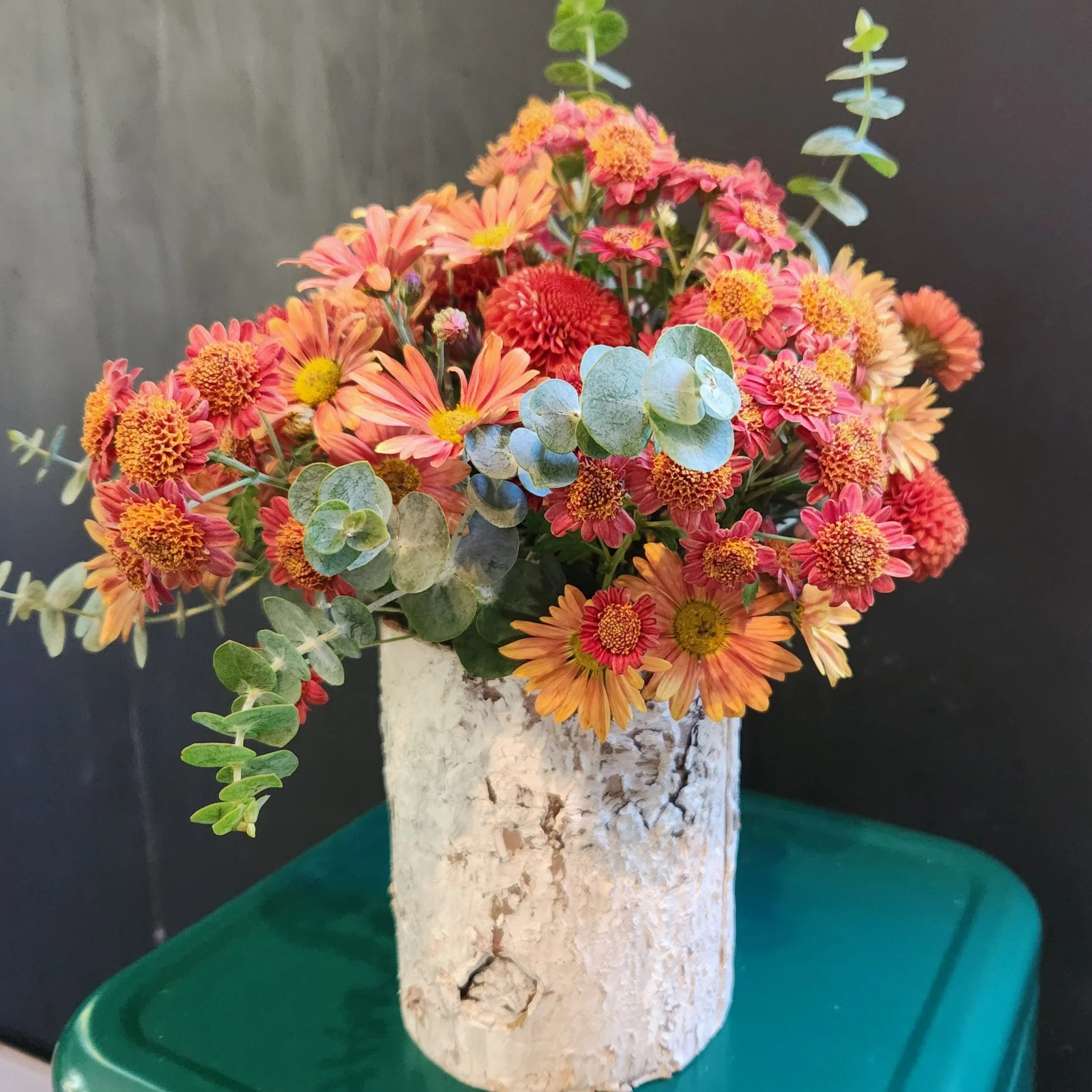
And we have a winner from our Thanksgiving mum arrangement giveaway — congratulations to Evelyn Abernathy! Your birch-bark vase of farm-grown mums will be ready for you soon.
As we move from fall flowers into the cozy glow of the holidays, our attention turns to something new in the shop: amaryllis and paperwhite bulbs. These easy-to-grow favorites bring beauty indoors just when we need it most.
We’ve sourced truly exceptional jumbo amaryllis bulbs — the biggest you’ll find anywhere — and top-grade paperwhite bulbs for simple winter blooming. Whether you want to plant your own, send a thoughtful gift, or start a ready-to-grow bulb garden, these are perfect for bringing natural joy into your home this season.

Experience the Joy,
— Linda and the whole Purple Tuteur team
A Beautiful Finale: Late Season Bouquets & Our New Hoop House
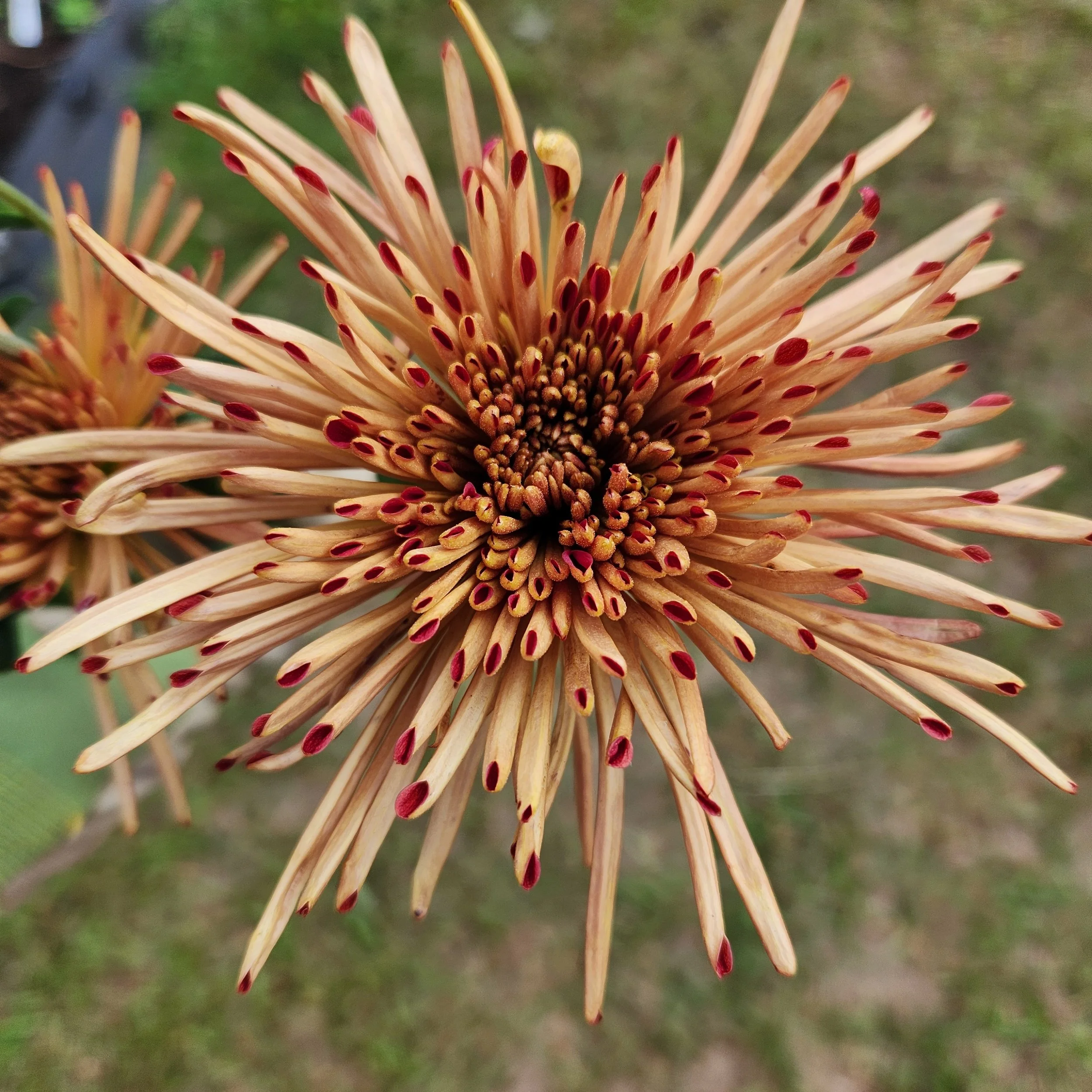
Oberlin
As the days shorten and the air turns crisp, many people think the flower season has ended. But here at Purple Tuteur Farm, we’re just getting started on one of the most beautiful parts of the year. Thanks to our heirloom chrysanthemums and our brand-new hoop house, we’re able to extend the season and bring you fresh, abundant bouquets all the way through October and possibly into November too.
The Magic of Heirloom Mums

Fall Charm
Heirloom mums have a very long history but were almost lost as they were replaced in the marketplace by uniform, short-lived potted mums. For decades, chrysanthemum societies across the country quietly worked to keep these now-rare varieties alive. Today, local flower farms are bringing them back to the market—and customers are rediscovering just how extraordinary they are.
These are not your typical potted mums. Each bloom is layered, textured, and filled with character, offering a depth and beauty that is impossible to find in mass-market flowers. They come in a wide variety of forms. If you’ve seen the latest issue of Southern Living, you may have noticed their feature on Three Porch Farm in Georgia and the stunning resurgence of heirloom chrysanthemums. We’re thrilled to be part of this movement, sharing these breathtaking flowers with our community right here in South Carolina.
The Hoop House Advantage
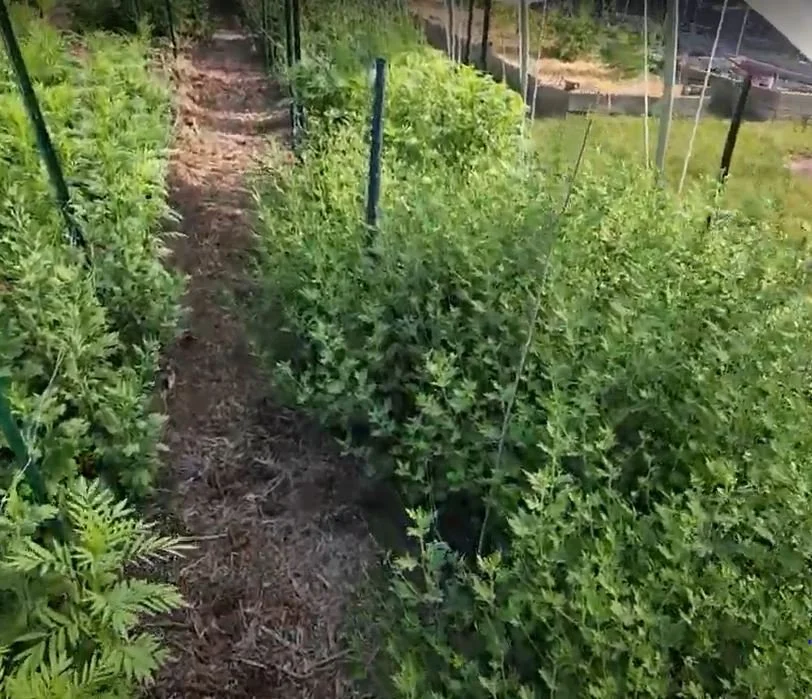
Early season mums in bud
This year, we’ve taken a big step forward with the addition of a new hoop house, built with the support of an ACRE grant. The hoop house protects our mums from unpredictable fall weather and gives us greater control over growing conditions. The result? Stronger, healthier plants and more reliable blooms deep into the season. It’s a behind-the-scenes investment that allows us to keep delivering flowers long after the traditional bouquet season winds down.
Late Season Bouquets & Mini-Subscriptions
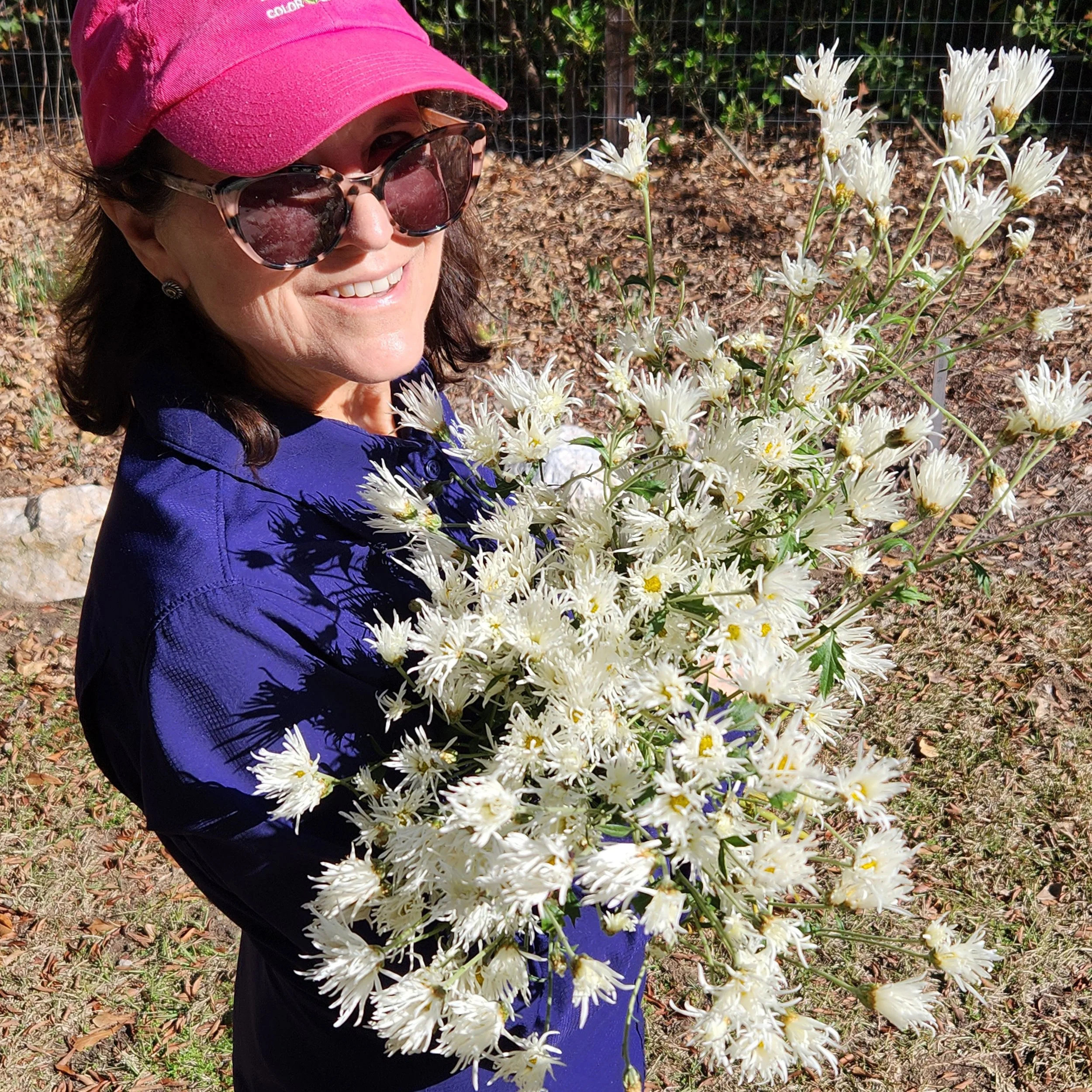
Saga no Yuki
Five Top Flowers in Our Early Spring Subscription Bouquets
Early spring is finally bringing an explosion of color, fragrance, and floral beauty to our flower farm. After our long cold February, the burst of blooms is more dramatic than usual. If you're new to our seasonal flower subscription, you’re in for a treat! Each bouquet is filled with the best of what’s blooming, carefully arranged to bring joy to your home or to give as a heartfelt gift. To many of you, who have been with us for years, we’re looking forward to bringing fresh blooms to your door and we can’t thank you enough for your continued support.
Here are five of the key flowers you will see in our farm to vase Early Spring bouquet subscriptions:
1. Tulips – Tulips have elegant, cup-shaped blooms and come in nearly every color imaginable, from soft pastels to bold, vibrant hues. They are available in unique shapes including singles, doubles, parrot and fringe forms. They are phototropic, meaning they bend and reach toward light, creating a dynamic and ever-changing bouquet.

A tulip, even when cut from the bulb, will continue to grow and lengthen in the vase. If you are making an arrangement, be sure to place them a little lower in the overall scheme so that they don’t end up floating way above the rest of the flowers.
2. Daffodils – Typically the first flowers to bloom, nothing says springtime like the bright, sunny faces of daffodils! They are available in classic yellow, white, peach, and bicolor varieties. Almost everyone has a memory of a daffodil.

Daffodils have a nostalgic charm and can multiply readily in the garden, making them a great pass-along plant to share, often across generations.
3. Amaryllis – Amaryllis make excellent cut flowers. They have long stems and great vase life too. In addition to red and white, amaryllis come in corals, hot pink and even green blooms. Once we’ve cut the flowers from the bulbs, we plant them in a warm spot in the garden so they can acclimate and bloom in early summer.

Amaryllis
4. Hellebore – Also known as Lenten Rose, new breeding work in Hellebore makes this a delightful addition to our early spring line up. The new “Ice N Roses” variety has stems long enough to use in a bouquet. Their upward facing flowers make the blooms more visible. They range in color from pure white to deep burgundy with many pinks and picotees in between.

Very long lasting, hellebore will remain beautiful in your vase after everything else has faded away.
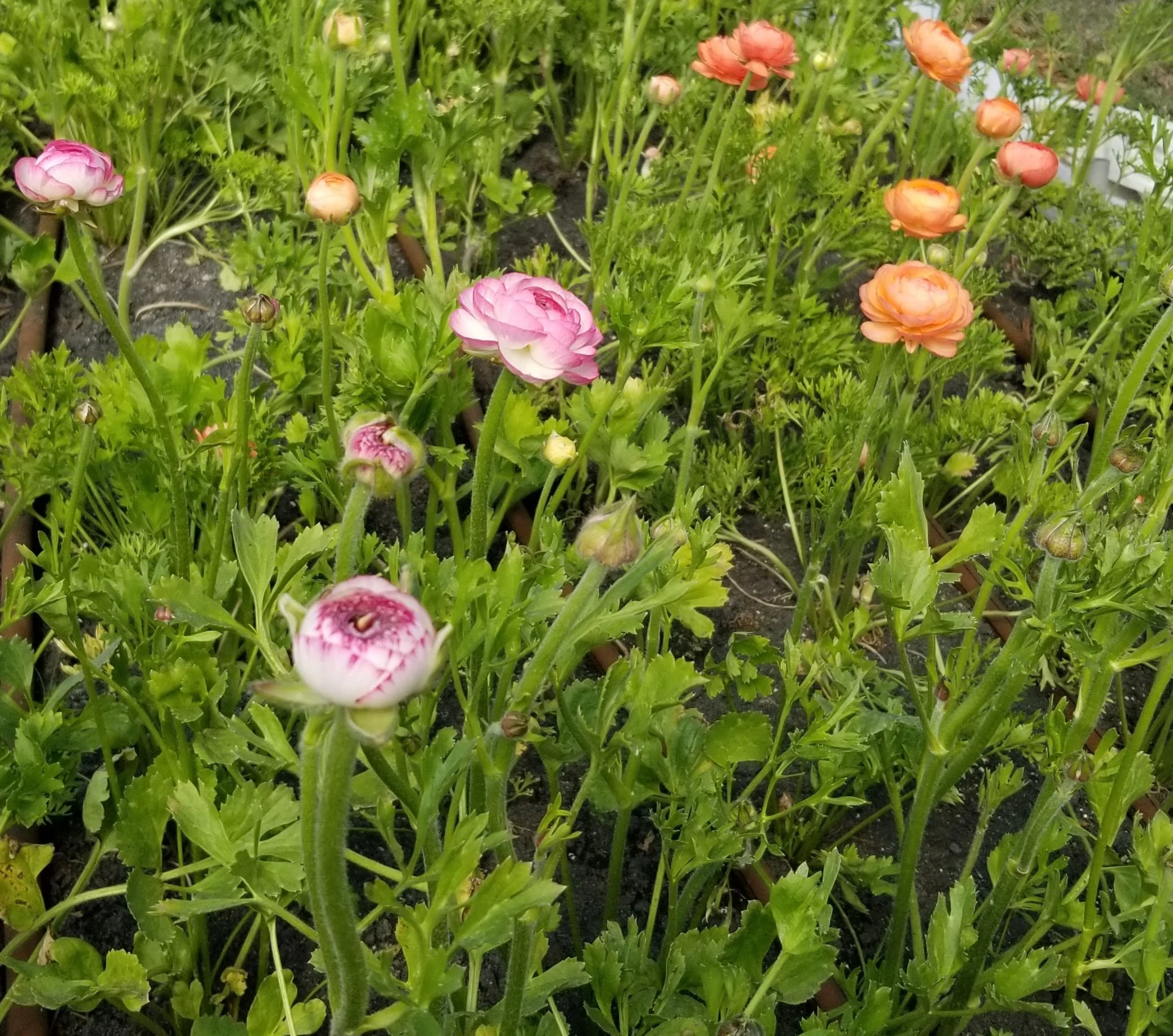
5. Ranunculus – The ‘rose of spring’ is a special flower and highly anticipated. These densely petaled flowers are often mistaken for roses, but they thrive in cool spring weather. They coming in a wide variety of colors from whites to yellows, peaches, pinks and reds.

Ranunculus
Wishing you a flower-filled season,
Linda
The Early Season 2025 Crop Report
Hi all!
It’s the “off season”, but we have been busy working on quite a few things behind the scenes. Let me catch you up!
The early spring crops are coming along very well, though they are coming on a little slower than they have in the past few years. We had a long stretch of cold days in January that kept things dormant longer than usual. Then last week, temps hit 80F, even breaking a weather record one day. This definitely jumpstarted everything in the field! All the frost blankets had to come off so the plants could soak up the sun. Next week, we’re back to more normal weather for this time of year, including a couple of nights below freezing. So, blankets back on and slower growth again. February and March in Columbia, anything is possible when it comes to the weather!
For those who will be receiving an early spring bouquet subscription, this may mean that we are starting a little later than the first week of March. We will see how the next couple of weeks play out. The good news is that all the cold weather is great for the crops that need cold to grow their best, like tulips and peonies. We will be contacting each of you when we can get started.

Anemone

Poppies

Ranunculus

Tulips
The Mum Project
During the off season I participated in a proposal competition and was awarded a grant from the state of South Carolina to add a new high tunnel, which will be used to grow heirloom chrysanthemums. These flowers bloom in the fall, and we are going to have blooms from October – early December!
We have been growing smaller amounts of mums over the past couple of years to make sure our growing conditions are suitable. Now, we will take the next step and grow larger quantities of them. Chrysanthemums are tolerant of light frosts and can bloom when the daylength is short, give us a few more weeks of beautiful flowers in the year!

Heirloom Chrysanthemums

Specialty Chrysanthemum Saga No Yuki
Website Updates
We’ve upgraded our website so some of the issues people have experienced with their cell phone access should be eliminated now. We will continue to make a few more refinements over the year, but most of the work is complete. If you are having any trouble or concerns, please reach out and we will be happy to help you. You can send us a message from our Instagram account or use the Contact Us page to send us an email, or just email us a purpletuteur@gmail.com

Here is the new menu as shown from a laptop or personal computer. The categories of information on the menu may or may not have sub-categories. For example, if you are looking for information about our bouquet subscriptions, put your cursor on the “cut flowers” category, and a list of the various ways we provide cut flowers will be listed. You can select from those and see the page you are looking for.

Here is the view of the home page from a mobile phone. The shopping cart, that was not always visible on your cell phone before, will be visible now.
That about wraps it up from here.
We have just a few openings for Early Spring subscriptions remaining, so sign up soon at https://www.purpletuteur.com/subscription-information . Thanks so much to those of you who are already signed up.
Spring blooms are just around the corner! Happy Valentine’s Day,
Linda
April On The Farm

We have been delivering our subscriptions for 5 weeks now and people who are unfamiliar with our services are always surprised to hear that we have flowers this early. Most of what is blooming now and in the next month or so is prepared in the fall. It is a more challenging way to grow, especially when we have late frosts or freezes, but worth it for the early blooms. There have been years when we lost crops to the late cold. We always plant extra in anticipation of a weather event.
This year, we have had a mild winter, meaning we haven’t had any severe cold snaps that can kill our crops. 4/15 is considered our last frost date. These dates are determined by historical records kept by NOAA (The National Oceanic and Atmospheric Administration). NOAA uses 30 years of historical data to project the last frost date in the spring and the first frost date in the fall. There is more to it, but not for today. We are just celebrating the fact that the forecast looks great for this week and frosty weather appears to be over!
Colibri Poppies
I got a question about the poppies in the subscription bouquets, so others may also be wondering too.

These are a type of Icelandic poppy, bred in Italy. We use a pastel mix for our early spring bouquets. It does come in a few brighter colors too. They need cold weather to grow, so we will probably only have them for another couple of weeks. You can see them in a few forms in our subscription bouquets. The flower forms in a pod and when it is ready to bloom, the pod cracks and falls off. We generally put them in bouquets at the cracked pod stage or when they have just opened.
Best,
Linda
March 2024 on the Farm – “In like a lion, out like a lamb”
March is the most precarious month of the year at the flower farm. The days are getting longer, flowers planted in the fall are starting to grow again and temperatures fluctuate between 32 to 80. Weather watching is critical to protecting the plants until the temperatures smooth out in April.
This year, our winter has been relatively mild. We have not experienced the kind of cold snaps that can wipe out early spring crops. So tender young growth can be seen on most of the crops. This past week, we had temperatures up to 80, unusually high for this time of year. We had to cover our cool season plants with shade cloth so they don’t get the idea it is time for them to go dormant. Monday night, we are supposed to have a low of 32 degrees, which is cold enough to damage new growth if left unprotected. So, on Monday, the shade cloth comes off and the frost cloth goes back on. This is the dance of early season flower farming. It is a challenge, but one I wouldn’t trade for anything. We need these spring flowers to kick our endorphins back into gear after the long nights and short days of winter!
Despite the challenges of March weather, we’re enjoying good harvests so far. Early Spring subscriptions have started up and are filled with tulips, daffodils, anemone, hellebore, hyacinth, amaryllis and poppies. Next week, ranunculus will also be included.


Next Up, Peonies!

Looking out a few weeks, the next big crop is peonies. Some are just coming out of the ground, but Coral Sunset is up and in bud! The coral peonies are the earliest to bloom on our farm.
Coral Sunset and Kansas are two varieties that are three years old now, so this is the first year we can cut any blooms from them. Peony roots need two full years of no blooms in order to establish a healthy root system that can support a plant that can live 30 years or more. Even this year, the quantities will be small. We will not cut all of the blooms produced. Instead, we will deadhead about half of them so continue to get large root systems established. Peonies are a long game plant. Their rewards increase over time.
Spring Gardening?

Are you sprucing up your spring garden? We have a lot of Muscari ready to go. Grown in sterile soil, these can be used indoors or outside. $2/ 2inch pot of three bulbs. Fun to add these to pots or in the front of the garden border. They come back every year and are one of the earliest bloomers. Contact us if you would like some. Farm pickup can be scheduled or if you have a flower subscription, we can drop these off at your door with your next delivery.
Looking for Inspiration?

The Art Blossoms Event at the Columbia Museum of Art is a community event full of flowers. This year the event is being held March 21-24. Garden Clubs from around the state are assigned an art work and they create an arrangement inspired by the work. Creativity at its best. General admission is $10 and so worth it! There are lots of other special events that you can sign up for too.
We wish you a flower-filled spring,
Linda
Here Comes Spring!
With the unusually warm weather we’ve been having, some flowers started to bloom earlier than normal, giving us a welcome jumpstart into spring. We started our Early Spring subscription deliveries the last week of February which is a week ahead of plan. Mother Nature has her reasons.
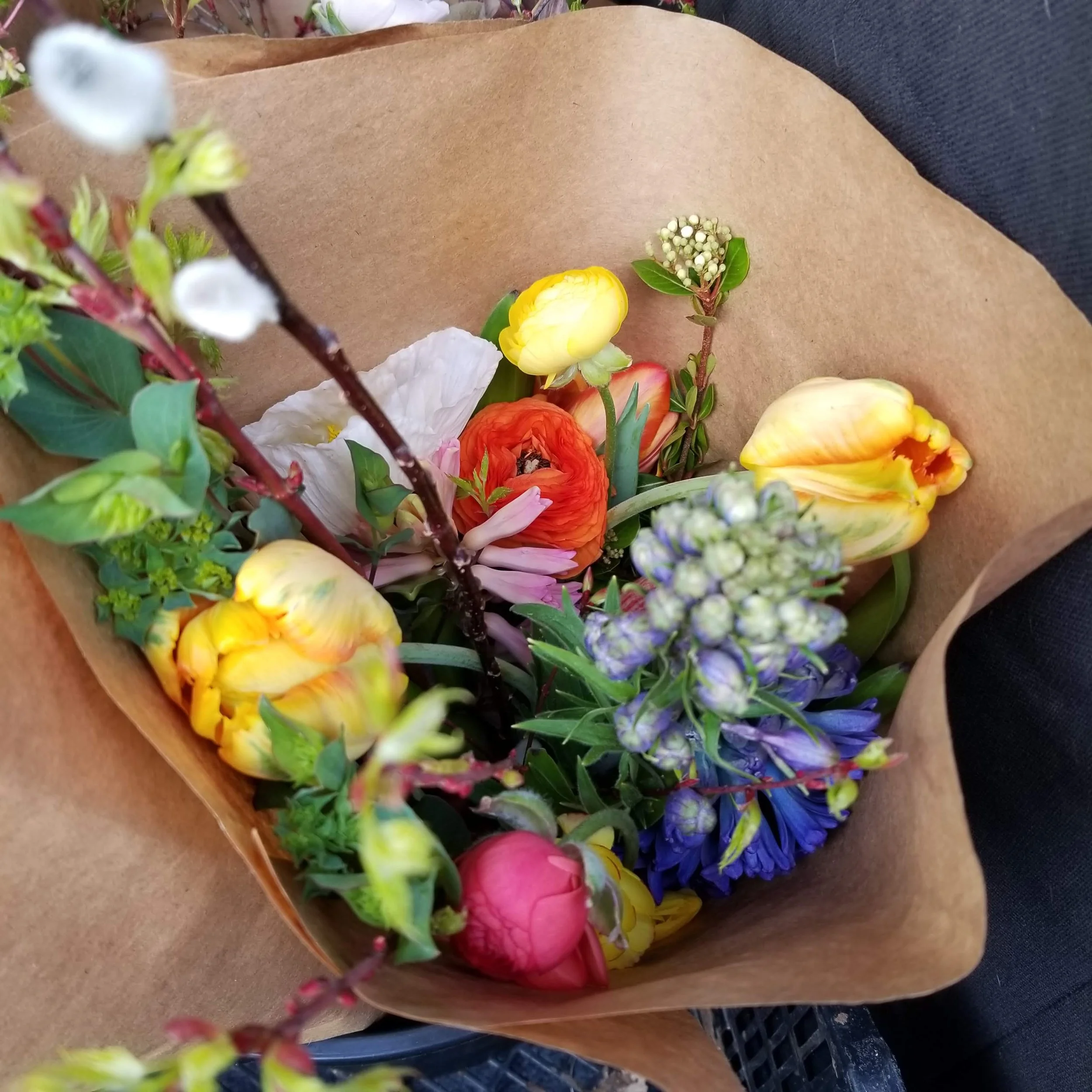
We’re busy getting the last of our winter projects done so that as the volume of flowers increases, we can stay focused on getting the flowers out of the field and into your hands.
This winter we did a lot of maintenance on the raised beds, added a new peony bed (more on that in a future post) and prepared some new beds for new plantings. We divided our Tuberose and dahlia tubers. We expect to have some of these tubers available in our summer bulb sale, a new offering for us. Date is still tbd, but we will mention it in this newsletter first.
On the farm Tulips, Poppies, Anemone, Ranunculus, Hellebore, Delphinium and Narcissus are in bloom. The hardy annuals are also on the verge. The peonies won’t be far behind!
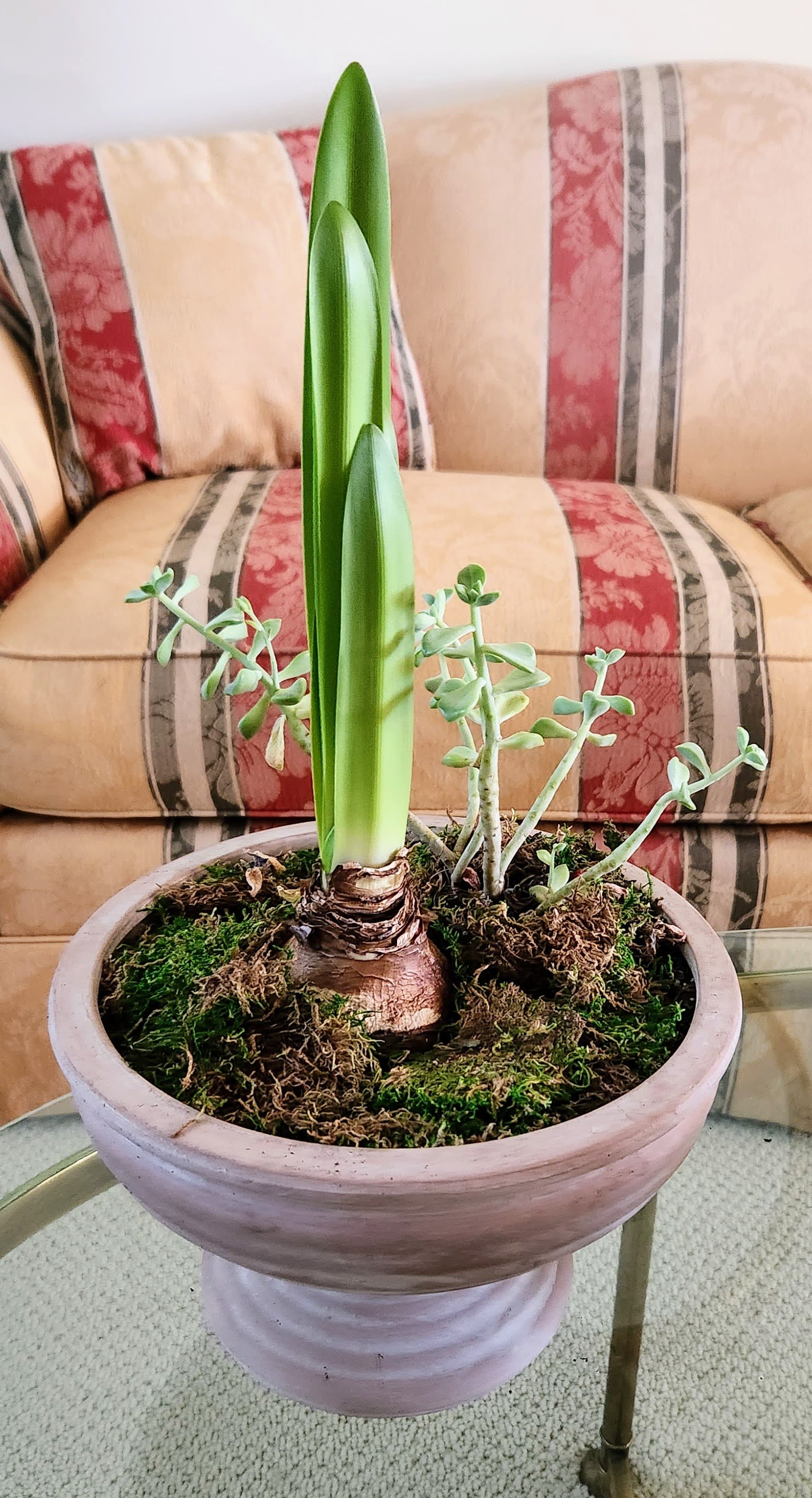
If you didn’t get signed up for our Early Spring subscription, we still have space available in our Spring to Summer and Summer to Fall offerings. You can sign up on our website. If you don’t like the internet world and would rather not order that way, contact me and we will work it out.
Amaryllis Care
Not sure what to do with your Amaryllis after it has bloomed? Keep it going with light watering until September. Check out this blog post for what to do to get it to bloom again. https://www.purpletuteur.com/blog/2021/9/10/want-your-amaryllis-to-bloom-for-the-holidays-easy-as-123
Anemones and Ranunculus Harvesting Tips
For those growing anemone and/or ranunculus corms, if you got them planted by November, you should be seeing growth now. (If you didn’t get them in the ground, you can keep them in the paper bag on a closet shelf until next November. They will hold if they are kept dry and cool.
Anemones tend to come up first. The first stems are short and they get longer with each cutting. The flowers open during the day and close at night. They need to do this a few times before they are ready to harvest. The best time to cut them is when the collar, which is just below the bloom, moves about an inch away from the bloom.
Ranunculus also start a bit short and get taller as the season progresses. They should be harvested (ideally) when the bud is colored and soft as a marshmallow.
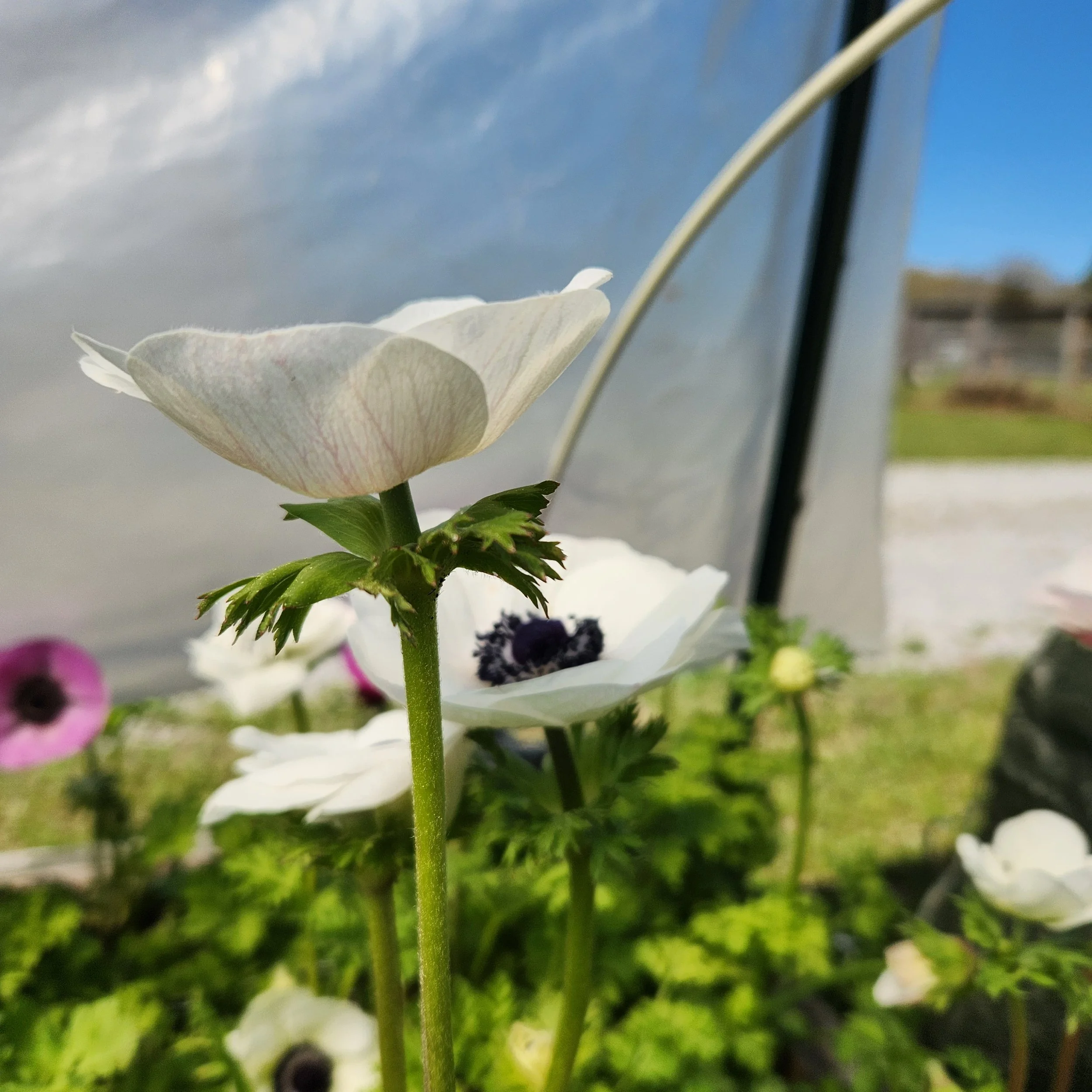
That’s it for now! We continue to be grateful to all of you for your support of our small farm. We couldn’t do it without you. We look forward to bringing you bundles of joy (the kind that don’t need college tuition) through out the year. Many many thanks.
The New Growing Year Begins Now!
If you want to have a spring cutting garden, fall is the time to plan and prepare for it. Now is the time to assess what is working and what is not working in your garden, so that you can make adjustments in the cooler fall weather. Here are a few things to consider:

Perennial Sedum Autumn Joy
1. Plant perennials and spring flowering shrubs – while you can do this in the spring also, fall is always best. In fall, the new plants have several months to get their roots established before blooming. We are adding two varieties of hydrangeas and a forsythia this year. October is a good month to plant in our area.

Hardy Annuals Bachelor Buttons and Orlaya
2. Select hardy annuals that you want to grow and purchase the seed. You can start to prepare the beds now and then sow the seed in October. Hardy annuals are those that prefer cooler temperatures to grow. This includes Bachelor Buttons, Bells of Ireland and Larkspur to name a few. If you want to learn more about these flowers, I highly recommend the book “Cool Flowers” by Lisa Mason Zeigler. It is an excellent source of information and easy to read.

Spring bulbs Ranunculus and Daffodils
3. Order spring flowering bulbs and tubers – daffodils, iris, hyacinth, anemone, ranunculus and peonies. All of these produce lovely spring flowers. These can be grown in pots if you don’t have a lot of space or need to protect them from moles and voles in your yard. We will be offering some of these for sale in the next couple of weeks – so stay tuned!
To get everything off to a good start, now is the time to do a soil test. This will tell you whether or not nutrients need to be added to your soil when you plant. Clemson offers this service to the public. It can be difficult to understand but you can call the lab and they will help you understand what you need to do. Read all about it here: https://www.clemson.edu/public/regulatory/ag-srvc-lab/soil-testing/index.html .
Happy Planting!