
January 2026 on the Farm
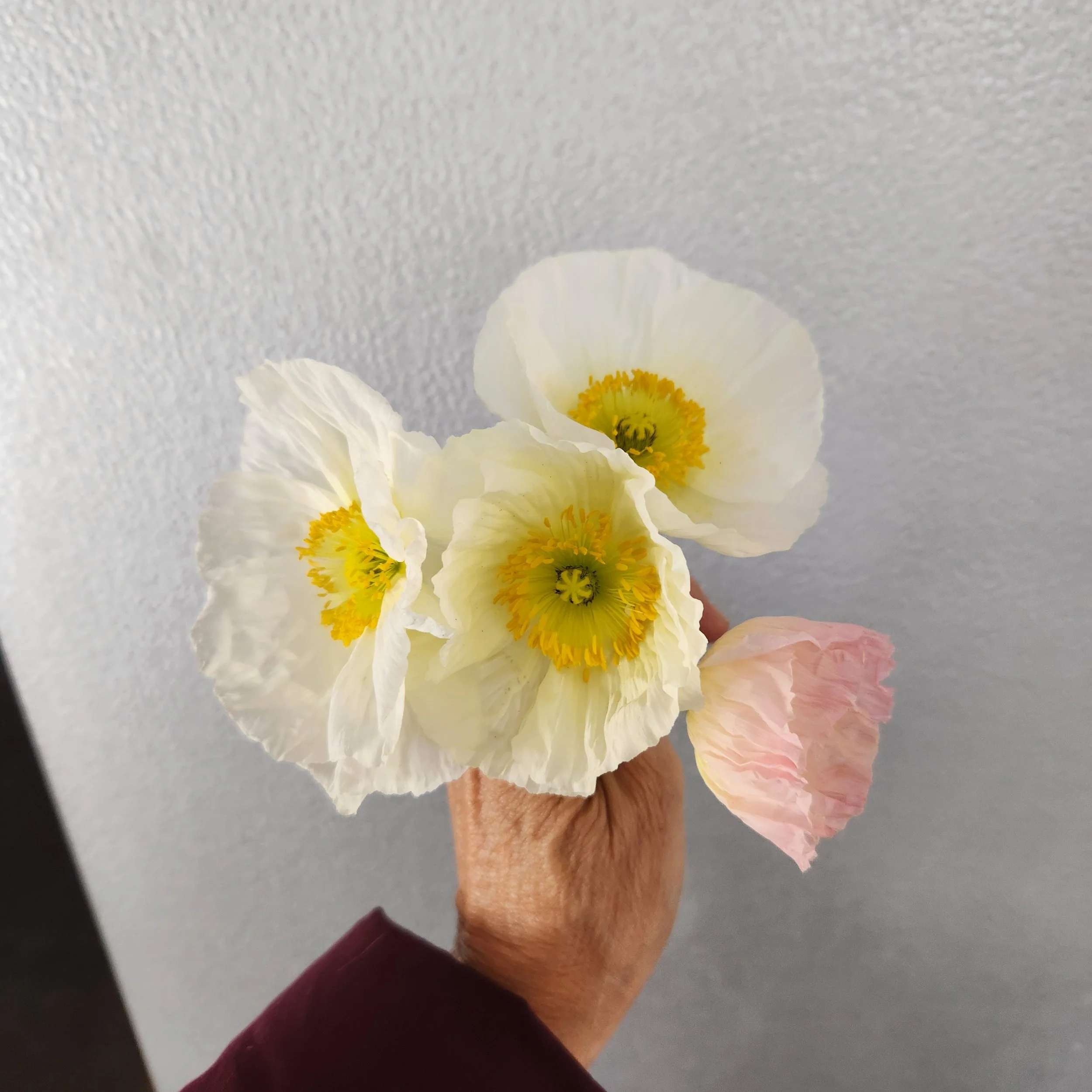
Iceland Poppies
There is a specific kind of quiet in the garden during late January and February. To the casual observer, it looks like dormancy—a landscape at rest. But here in Zone 8b, our ground never truly freezes. This means the plants can keep working deep beneath the soil, even during our coldest months of the year.
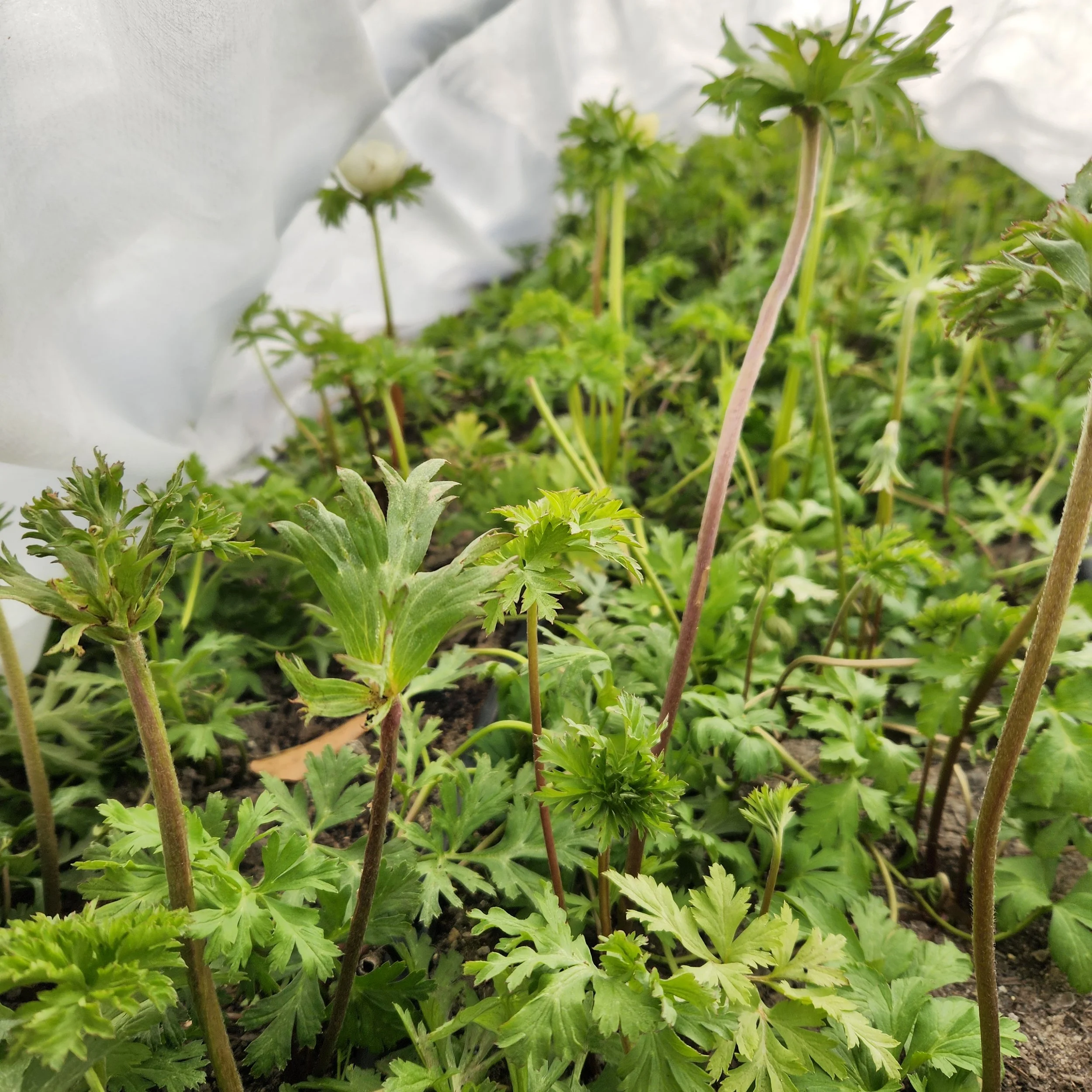
Anemones under frost cloth
The early bloomers are slowly building energy through cold nights and cool days. Many of them actually need that winter chill to bloom at all; it’s nature’s way of creating stronger stems, richer colors, and longer-lasting flowers.
Resilience in Every Petal (As Long as it Stays Cool)
Many of these plants are capable of surviving freezes with little to no protection. Hellebores are the stars of the show when it comes to cold tolerance—they are one of the few whose blooms look great even after a hard freeze.
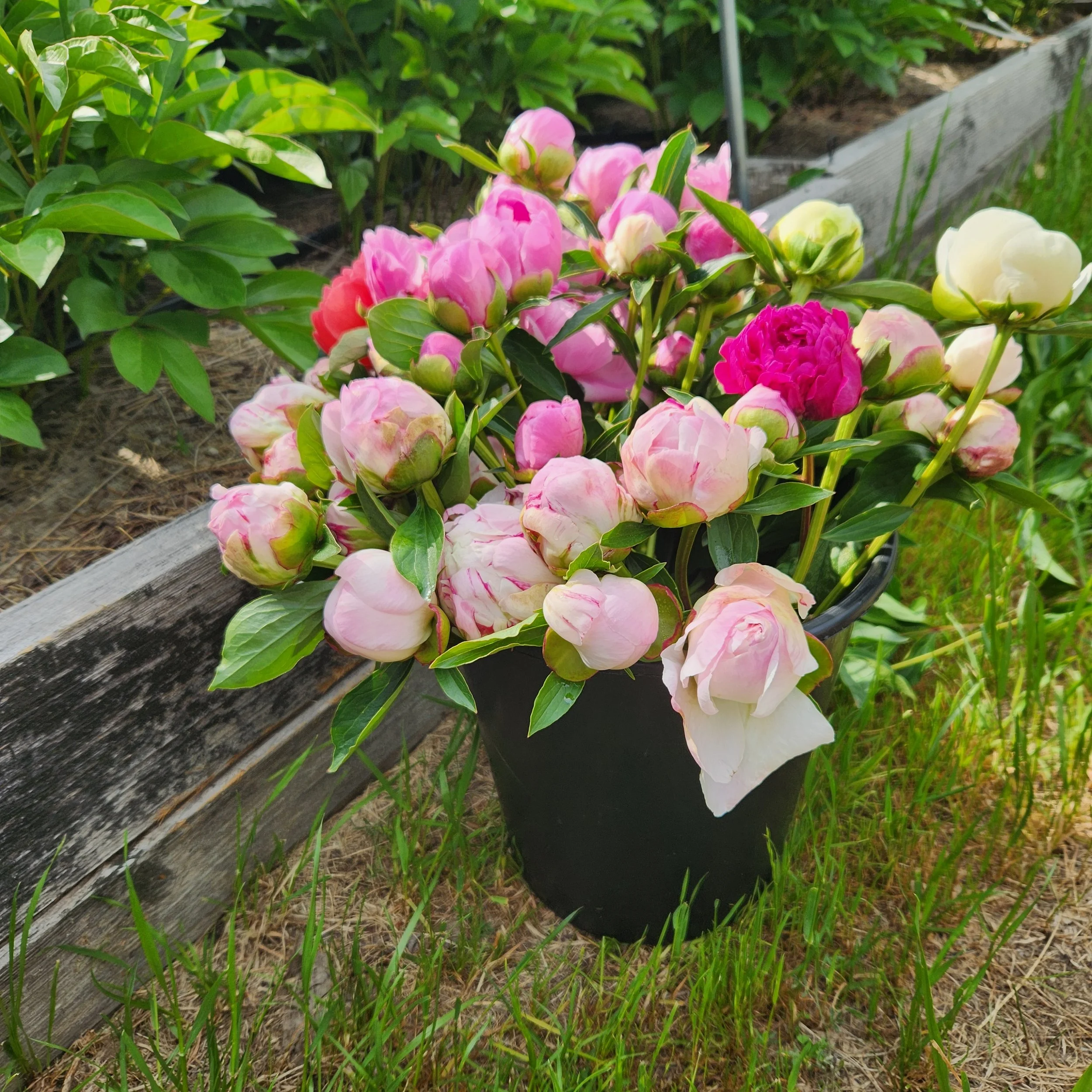
Peonies from last year. They need cold to bloom.
Other cold-hardy favorites—like Snapdragons, Peonies, Ranunculus, Anemones, and Poppies—can survive the freeze themselves, though their open blooms usually won't. However, once we hit that "sweet spot" of daytime temperatures in the 60s and nights in the upper 40s, this group hits its stride and blooms fervently. The lengthening days also signal that it’s time to shine, resulting in longer stems, fuller blooms, and incredibly vivid colors.
The Sprint Before the Heat
In the Columbia area, this magic window can be brief. These flowers start to slow down once daytime temperatures reach the 70s. Because our warm-up can happen so quickly, their bloom period often ends rather suddenly. By the time our days hit the 80s, they fade like Popeye without his spinach!
By then, the soil is warm and other beautiful bloomers are hitting their stride. But right now, as we move away from the shortest days of the year, I am so grateful to see these first-of-the-season blooms begin to come alive.
Pro-Tips: Keeping the Spring Magic Alive
Because these varieties thrive in the cold, they require a different touch than your typical summer sunflowers. If you’ve picked up a bouquet or harvested from your garden, here is how to make that spring joy last:
The "Cooler" the Better: Keep your vase away from direct sunlight or heating vents. These flowers prefer a cool corner to stay crisp.
The Fresh Snip: Use very sharp snips to cut stems at a 45-degree angle. For hollow-stemmed flowers like Ranunculus, a sharp blade is key to keeping their "drinking straws" open.
Shallow Water: Tulips and Hyacinths actually prefer just 2–3 inches of water. This prevents their soft stems from getting waterlogged and mushy.
Watch the "Stretch": Tulips continue to grow even after they are cut! If they start to "dance" right out of your arrangement, feel free to give them a secondary trim.
Experience the Joy of the First Harvest
At Purple Tuteur, we believe these first blooms are the most special because they represent a fresh start. They are the first chapter of our 2026 season—a reminder that beauty doesn't wait for "perfect" weather to arrive.
And if you’d ever like to experience these early-season flowers delivered as they bloom, our bouquet subscriptions are open for the season.
What’s blooming in your neck of the woods? I’d love to hear what early signs of spring you’re spotting in your own backyard. Leave a comment below!
Wishing you Joy in 2026,
Linda